
Youth Against AIDS and Poverty Association (YAAPA) has worked since 2005 to create a Kigoma region where every young person, child, and woman lives with dignity, free from AIDS, poverty, and human rights abuse.
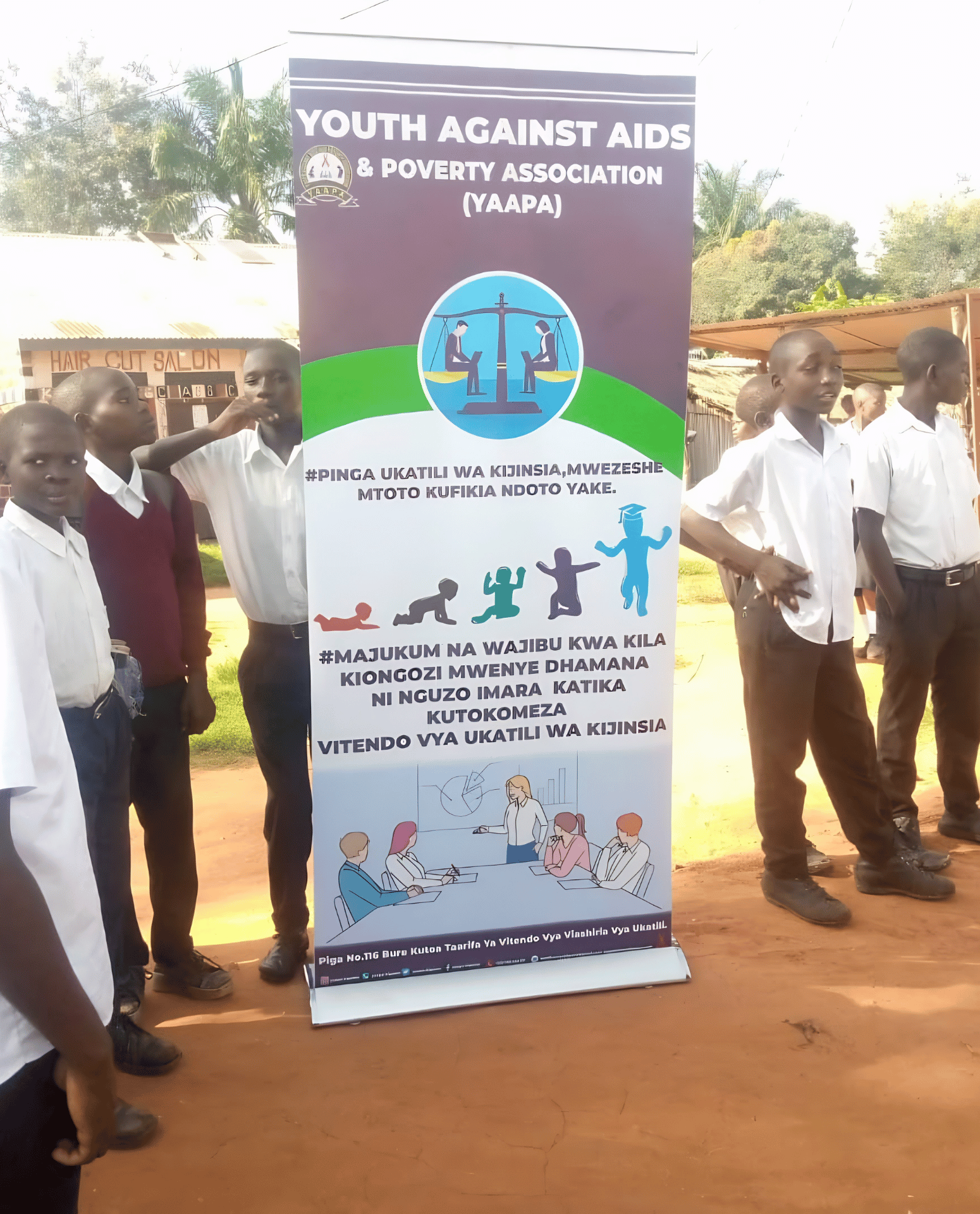
Youth Against AIDS and Poverty Association (YAAPA) is a registered, non-profit, non-governmental organization based in Kigoma, Tanzania. Founded in 2005 and officially registered in 2008, we are driven by a simple belief: when you equip a young person with health, education, skills, and rights, they do not just survive — they transform their entire community.
Our work reaches the shores of Lake Tanganyika, remote fishing villages, and overcrowded urban settlements. We serve those who are often forgotten: orphans and vulnerable children, young mothers, street-connected youth, and grandparents caring for grandchildren affected by HIV/AIDS.
Ending new HIV infections through prevention education, voluntary testing, and home-based care for vulnerable youth and children affected by AIDS.
Providing access to quality formal and non-formal education for vulnerable children, out-of-school youth, and young mothers in Kigoma.
Defending the rights of youth, women, and local Human Rights Defenders by fighting abuse, promoting gender equality, and ensuring justice.
Conserving our environment through reforestation and clean energy while building economic self-reliance with vocational training and sustainable agriculture.
We do not work without a roadmap. Our five-year strategic plan outlines exactly how we will reduce HIV prevalence, improve education, defend human rights, and restore the environment across four districts of Kigoma region.
Reduce HIV prevalence among vulnerable youth by 2.5% annually
Provide quality education support to hundreds of out-of-school children
Train youth and women in sustainable agriculture and small business management
Plant thousands of trees and establish School Eco-Clubs
Defend local Human Rights Defenders and reduce gender-based violence
“YAAPA gave me the skills to start my own tailoring business. Now I support my family and send my younger brother to school. I never thought I could be independent.”
— Aisha, graduate of YAAPA’s Tailoring and Sewing Workshop, Kibirizi Village
Every donation and partnership helps create more stories like Aisha’s.
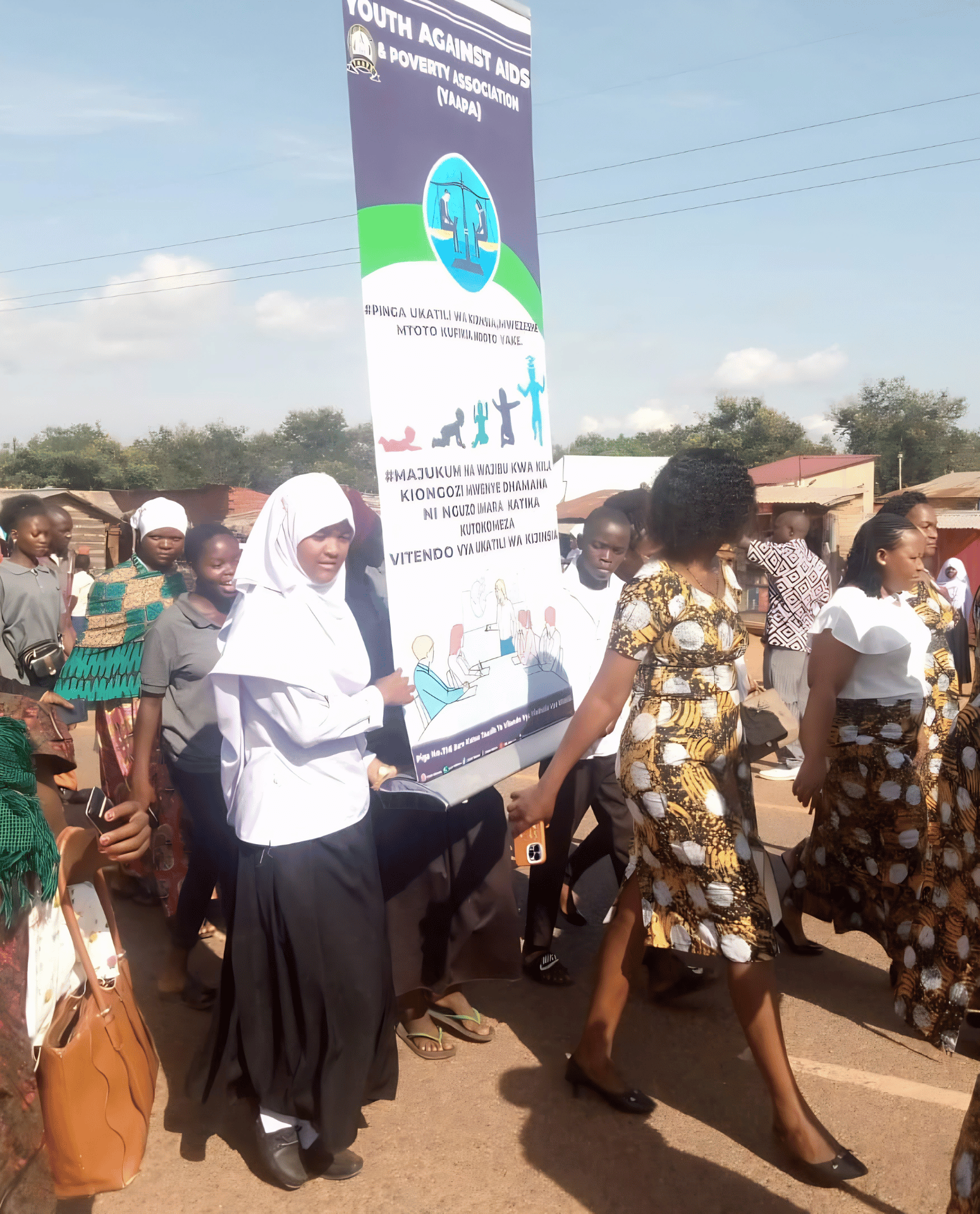
To help youth and children living in extreme poverty achieve major, lasting improvements in their lives so they can become self-reliant, without needing external support.
A community in which youth, children, and young women live free from all human and natural hardships with dignity, respect, and opportunity.
Real results achieved through community effort and partnerships.
120+ vulnerable children and youth directly served through our education and vocational programs
300+ community members trained on human rights, governance, and HIV prevention
84+ active members working together for change in Kigoma region
15+ villages reached with mobile HIV testing, environmental education, and legal aid
5+ functional projects including a nursery school, carpentry workshop, and tailoring center
We do not work without a roadmap. Our five-year strategic plan outlines exactly how we will reduce HIV prevalence, improve education, defend human rights, and restore the environment across four districts of Kigoma region.
Reduce HIV prevalence among vulnerable youth by 2.5% annually
Provide quality education support to hundreds of out-of-school children
Train youth and women in sustainable agriculture and small business management
Plant thousands of trees and establish School Eco-Clubs
Defend local Human Rights Defenders and reduce gender-based violence
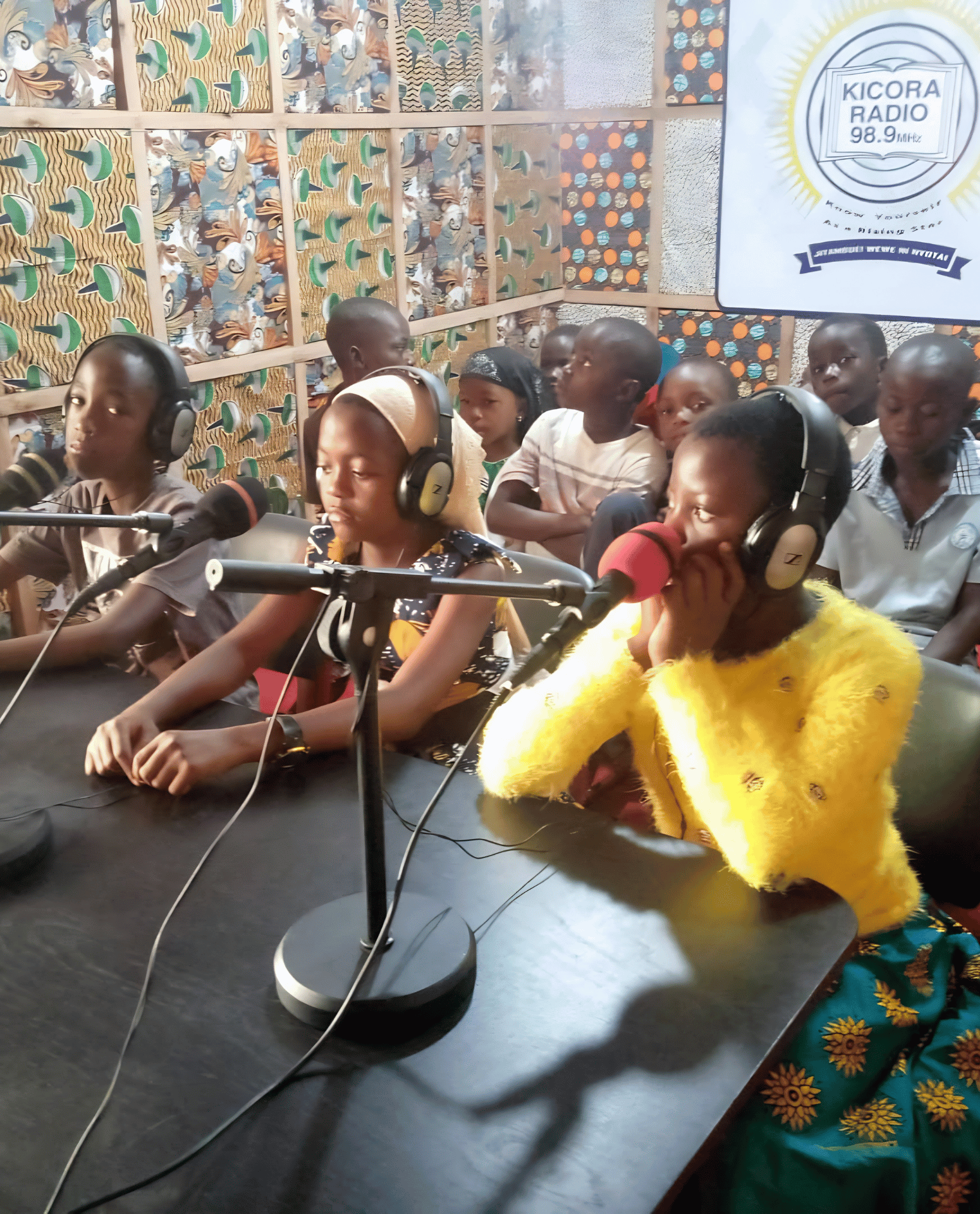
Ways to get involved:
Make a financial contribution – Your money goes directly to HIV testing, school fees, vocational tools, and tree planting.
Partner as an organization – We welcome NGOs, foundations, government agencies, and corporate partners.
Volunteer your skills – Do you have expertise in proposal writing, M&E, IT, medical training, or legal aid? Join us.
Sponsor a child – Monthly support covers school materials, uniforms, and meals for one vulnerable child.